
Pharmaceutical
We provide High Bloom and High Viscosity Pharma-Grade Halal gelatine for pharmaceuticals.
Applications in Pharmaceutical
Gelatine is among the most widely used ingredients in pharmaceutical and medical applications.
Gelatine has the following properties that make it great for Pharmaceutical.
- Our High bloom Gelatine is suitable for the manufacturing of Hard gelatine and Softgel capsules.
- The high viscosity gelatine is best as a binding agent in tablet formation.
- Our Gelatine is universally tolerated.
- It displays very useful elasticity and clarity features.
- It melts at body temperature.
- It is thermo-reversible.
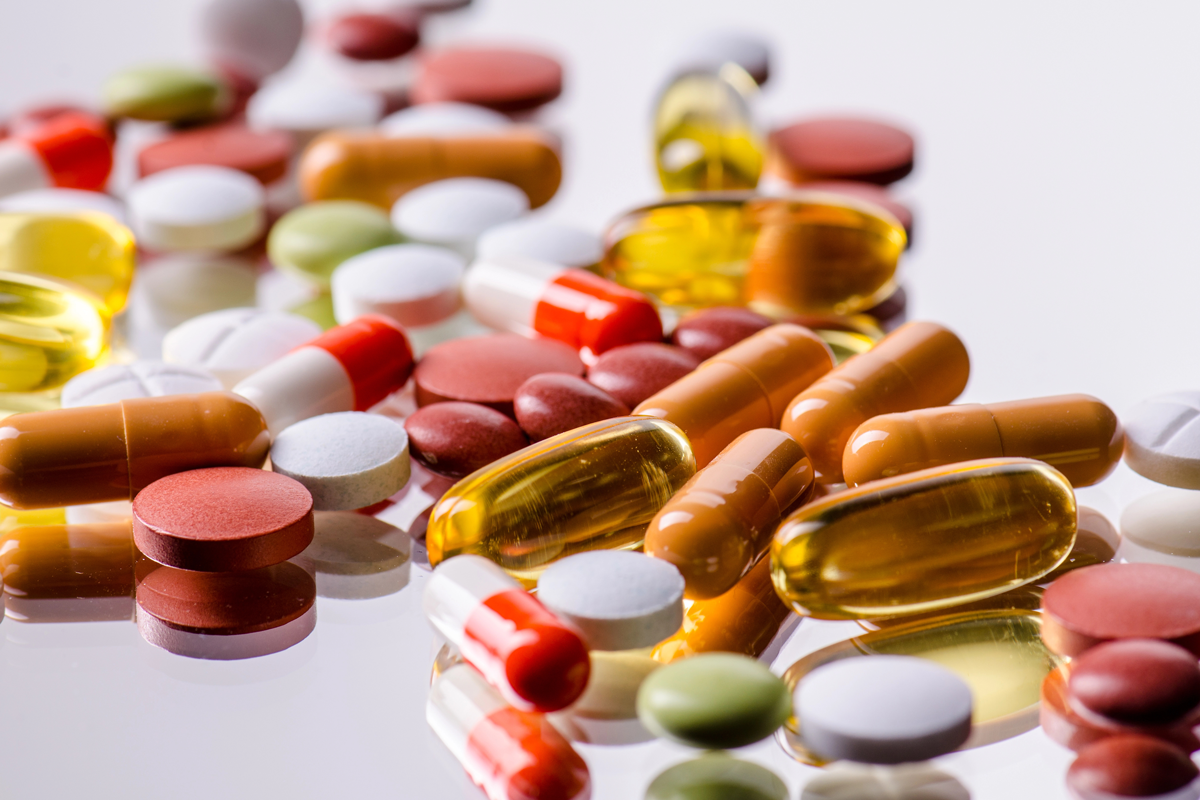
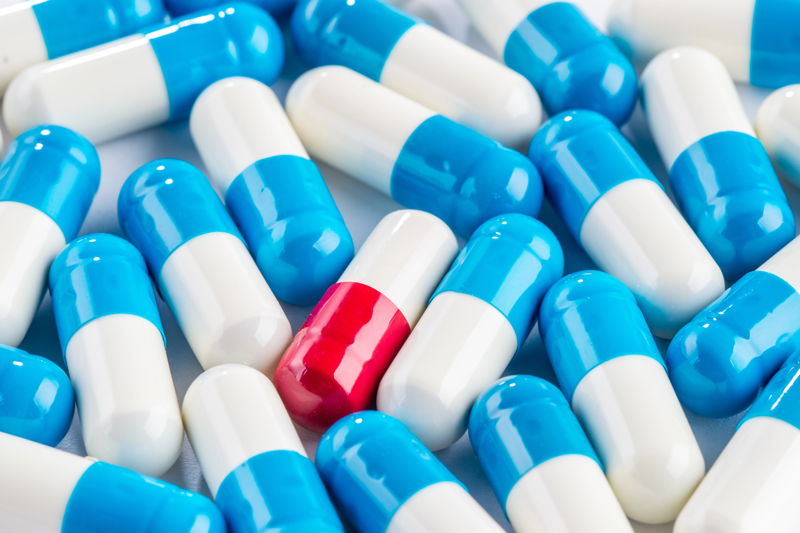
Hard and soft capsules
Gelatin is widely used to create the shell for both hard and soft capsules, providing an effective means of protecting the contents from light, atmospheric oxygen, contamination and microbial growth as well as masking taste and odor.
Hard capsules represent 75% of the gelatin capsule market. 1Also known as two-piece capsules, they consist of two cylindrical shells with a cap that fits closely over the body to form a hermetically closed unit. They can be produced in sizes ranging from 000 to 5 for humans and may be transparent or colored. Imprinting is also possible.
Hard capsules are commonly filled with powders, granules, pellets and mini-tablets. They can also be filled with liquids and pastes utilizing methods that have been developed to seal and package the capsules while maintaining drug safety standards.
Tablets
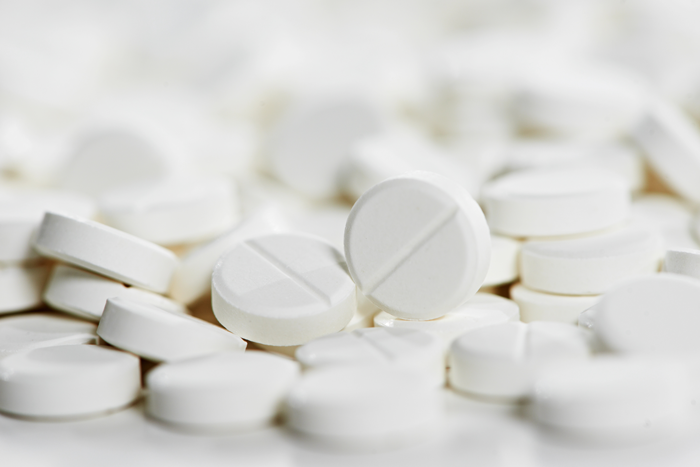
Gelatin can be used as a binder or coating for tablets, which offers a lower-cost alternative to capsules. Tablets also provide the possibility of notching for dose splitting and there is no risk of crosslinking.
However, tablets are limited to solid APIs and excipients, while dissolution is slower, formulation is more difficult, and there is less protection of active ingredients against oxygen and light. Swallowability is also more challenging.
As a binder, gelatin can glue together powders during granulation such as starch, cellulose derivatives, and gum acacia. Gelatin coatings can also help overcome some of the tablets weaknesses. These include providing improved swallowability, reducing taste and odor, and helping to protect APIs against oxygen and light.
Medical devices
Gelatin has various benefits that make it ideally suited to a range of healthcare applications. It is almost universally tolerated, with excellent cell compatibility and minimal immunogenicity. It is also highly purified, with no risk of contamination, and it offers highly reproducible production in addition to well-controllable physical parameters.4
Its uses include hemostatic sponges, which not only stanch blood effectively but are bioresorbable and accelerate the healing process by facilitating the migration of new tissue cells. Ostomy patches, meanwhile, use gelatin as an adhesive to the skin.
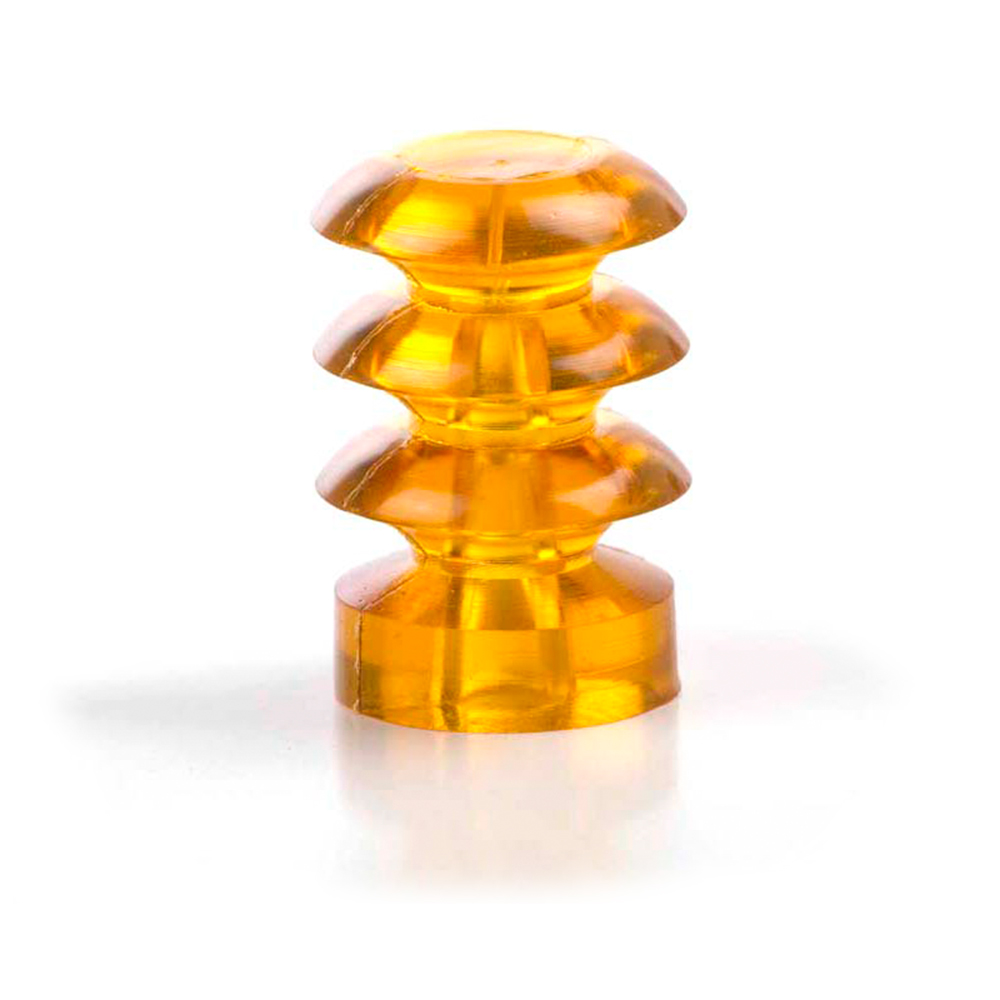
Gelatin bone plugs provide stability after joint surgery and, because of their biodegradability, they do not need to be removed afterward. Gelatin also has a long history of use as a plasma expander, offering a relatively cost-effective means of increasing plasma volume.5